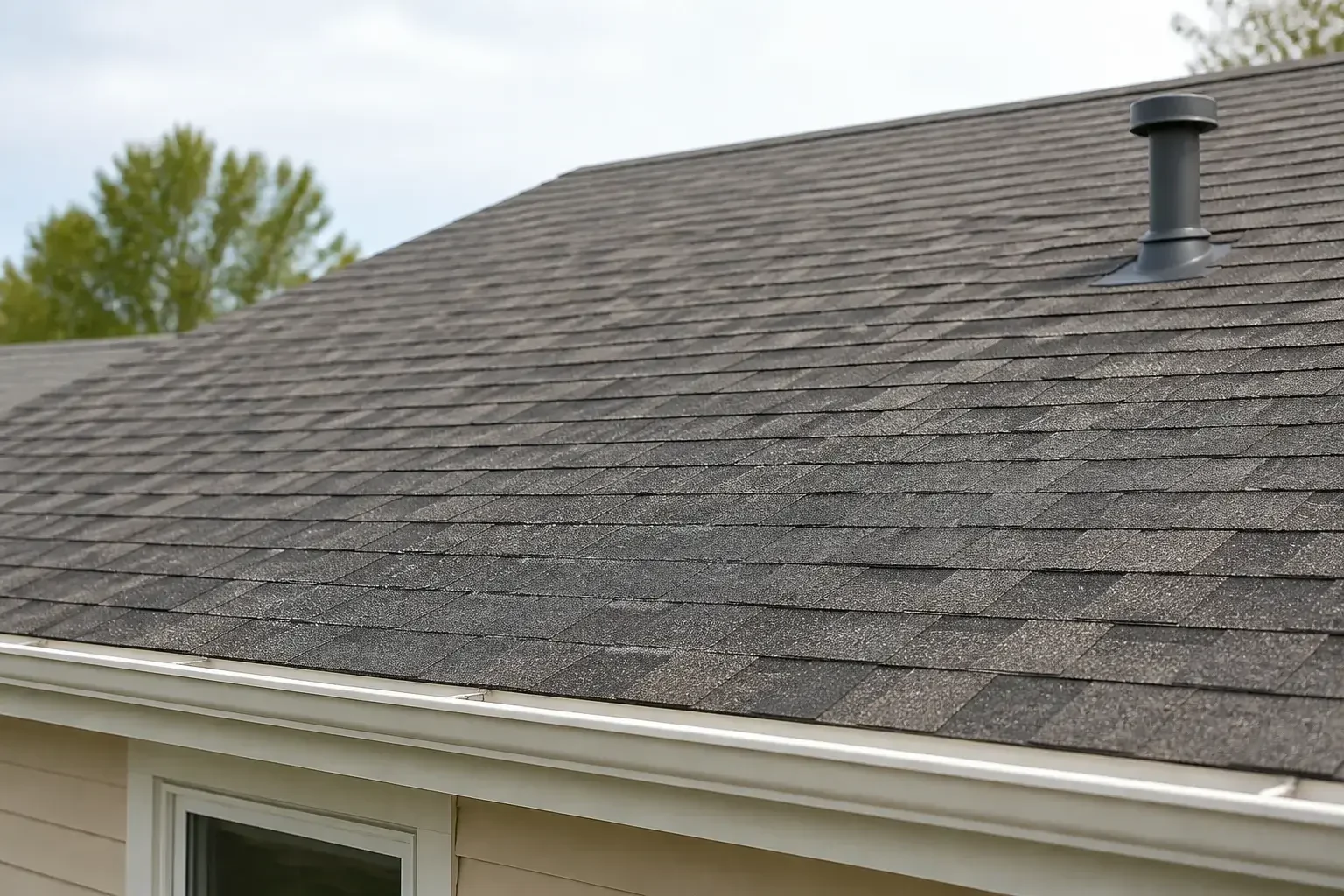
Roofing Services in Greeley, CO
Roof Repair in Greeley, CO
Leaks, missing shingles, and worn areas can turn into bigger problems without prompt repair.
Leaking stains on the ceiling, shingles scattered in the yard, or a roof edge that looks uneven can all point to damage that should not be ignored. Even a small opening can let water work deeper into the roof, leading to soaked decking, interior spots, and repairs that get more involved the longer they wait.
If you are seeing lifted shingles, a drip after rain, or granules collecting in gutters, it is time to have the roof looked at. Alpine Crest Roofing helps homeowners in Greeley and Weld County identify what is actually failing, repair the damaged area, and restore the roof before the problem spreads.
Warning signs
Not every roofing problem starts with a dramatic leak. Many repairs begin with subtle changes that are easy to miss until the next storm. Catching them early can keep the damage focused instead of widespread.
- Water stains: Brown marks on ceilings or upper walls often mean moisture has found a path past the roofing material.
- Missing shingles: Bare spots leave the roof deck exposed and can create a direct entry point for water.
- Lifted edges: Shingles that curl, shift, or flap in the wind are no longer sealing the way they should.
- Damaged flashing: Metal around vents, valleys, and roof edges can loosen or bend, allowing leaks to form around openings.
- Granule loss: Heavy granules in gutters or downspouts can signal worn shingles that are losing protection.
If you notice one or more of these issues, the next step is a focused repair visit, not guesswork. We look at the visible damage, check the surrounding area, and recommend the right fix for the problem at hand.
Common causes
Roof damage is not always caused by one major event. Sometimes it comes from a combination of weather, age, and small weak points that finally give way.
- Storm damage: Strong wind can lift shingles, break seals, and expose sections that looked fine from the ground.
- Aging materials: As roofing materials wear down, they become more brittle and less able to resist water and movement.
- Flashing failure: Areas where the roof meets chimneys, vents, or walls often fail first because they depend on tight sealing.
- Improper drainage: When water does not move off the roof correctly, it can pool in vulnerable areas and speed up deterioration.
- Impact damage: Falling branches or wind-driven debris can crack shingles or bruise the surface in ways that are not obvious from a distance.
A proper repair starts by finding the source, not just the symptom. A ceiling stain may show up far from the actual opening, so the damaged area has to be traced carefully before anything is replaced.
How we repair
Alpine Crest Roofing handles roof repair with a straightforward process designed to solve the issue clearly and cleanly. We focus on the area that needs attention and make sure the repair fits the surrounding roof.
1. Assess the damage
We look at the problem area and the nearby roof surfaces to understand how far the issue has spread. That helps us avoid patching only what is visible when the real opening is nearby.
2. Pinpoint the source
Water can travel under shingles and along framing before it shows inside. We trace the likely entry point so the repair addresses the real cause, not just the result.
3. Repair the affected section
Depending on the damage, we may replace shingles, correct flashing, or repair the section that has been compromised. The goal is to restore the area so it blends with the rest of the roof as naturally as possible.
4. Confirm the fix
Before wrapping up, we check the repaired section and the surrounding material to make sure the issue has been handled properly and no obvious gaps remain.
This approach matters because roof repair should not create more patches than necessary. A clean repair preserves the roof, protects the structure below, and helps you move forward with fewer surprises.
What gets repaired
A roof can fail in several places at once, especially after wind or repeated moisture exposure. Knowing what can be repaired helps you understand what we are looking for when we inspect the damage.
- Shingle replacement: Individual damaged or missing shingles can often be replaced without disturbing the whole roof.
- Flashing repair: Loose or compromised flashing around roof transitions is a common source of leaks and needs careful attention.
- Leak source correction: If water has found a path into the roof assembly, we work to close that opening and repair the affected section.
- Storm-related damage: Wind, debris, and impact can leave damage that needs targeted repairs rather than broad replacement.
- Gutter-related issues: If runoff is backing up or reaching the wrong spot, the roof edge may need attention along with the drainage path.
If the damage is limited, repair may be the practical answer. If the problem is more widespread, we can explain what is happening so you can make an informed decision about the next step.
When repair makes sense
Not every roof problem calls for replacement. In many cases, a well-planned repair can solve the issue and give the roof more time to perform as it should.
- Localized damage: If the problem is confined to one section, fixing that area is often the most direct solution.
- Recent storm impact: Wind or debris damage often affects specific spots that can be restored without rebuilding the entire roof.
- Leak at a known point: When the source can be traced to flashing, a vent, or a small section of shingles, a targeted repair is usually appropriate.
- Good overall roof condition: If most of the roof is still in solid shape, repair can address the damaged section while preserving the rest.
When repair is not enough, we will say so plainly. The point is to solve the roofing problem in the way that makes the most sense for the home, not to overcomplicate it.
After the repair
A roof repair should leave you with a clear understanding of what was fixed and what to keep an eye on later. That matters because a roof often gives hints before a larger issue develops.
- Watch the repaired area: If you had a leak, keep an eye on the same ceiling or wall after the next rain.
- Check the attic or upper rooms: Look for any new moisture marks, damp insulation, or musty odors near the affected area.
- Keep gutters clear: When gutters are clogged, water can back up and make roof edges more vulnerable.
- Notice new shingle movement: If more shingles start lifting nearby, the roof may need another look.
Homeowners in Greeley and nearby areas like Evans, Windsor, and Eaton often reach out after they notice one small issue that turns out to be connected to a second problem nearby. That is why a repair visit should look beyond the obvious spot and evaluate the surrounding section too.
Roof repair questions
How do I know if a leak is coming from the roof?
A roof leak often shows up as a ceiling stain, a damp wall, or moisture near the top of an upper room. The visible spot inside may be several feet away from the actual opening.
Can a few missing shingles really cause damage?
Yes, because missing shingles leave underlayers exposed to water and wind. Even a small bare area can let moisture reach the roof deck if it is left alone.
What if the leak only happens during heavy rain?
That often means water is finding a weak point that only opens when the roof is under more pressure. Those leaks still need attention because they usually become more frequent over time.
Will a repair always match the rest of the roof?
The repaired area is selected to fit as closely as possible with the surrounding roof materials. The appearance depends on the existing roof condition and the type of damage.
Is roof repair useful after wind damage?
Yes, especially when the damage is limited to a few shingles, a flashing seam, or a small area at the roof edge. A targeted repair can stop the issue from spreading.
Should I wait if the damage seems small?
It is better to address small damage early because roof problems rarely improve on their own. Waiting can allow moisture to spread and make the repair more involved.
Start with the damage
If your roof is showing signs of wear, leaks, or storm-related problems, Alpine Crest Roofing can help determine what needs repair and what can stay in place. We work on roof repair for homes in Greeley and throughout Weld County, with practical solutions that focus on the damaged area and the source of the problem.
A roof issue does not need to become a larger interior repair. If you are noticing warning signs, the next step is simple: have the roof checked and the damaged section repaired before the problem grows.
How We Work
A Clear Roofing Process
Every project starts with a careful inspection and a conversation about the right solution for your roof.
- 01
Inspect the Roof
We check the roof surface, problem areas, and signs of damage before recommending work.
- 02
Review the Options
You get a clear explanation of what we found and which repair or replacement makes sense.
- 03
Complete the Job
We finish the work carefully and leave your property clean and ready to use.
FAQ
Common Roofing Questions
If you have a question about your roof, send us a message and we will help you figure out the next step.
How do I know whether my roof needs repair or replacement?
An inspection is the best place to start. We look at the condition of the roof and explain which option makes more sense.
What signs point to storm damage?
Missing shingles, dents, lifted materials, and new leaks can all be signs of storm damage. A close look helps confirm what needs attention.
Can gutters affect my roof?
Yes, poor drainage can contribute to water problems around the roofline and fascia. Proper gutter installation helps move water away from the home.
Do you work on older roofs?
Yes, we inspect older roofs and talk through whether repair or replacement is the better path. The right answer depends on the roof's condition.
How soon should roof leaks be checked?
Leaks should be looked at as soon as possible because water can spread quickly. Early repair can help limit more damage.
Get Help With Your Roof
Tell us what you are seeing, and we will help you choose the right next step for repair, replacement, storm damage work, or gutters.